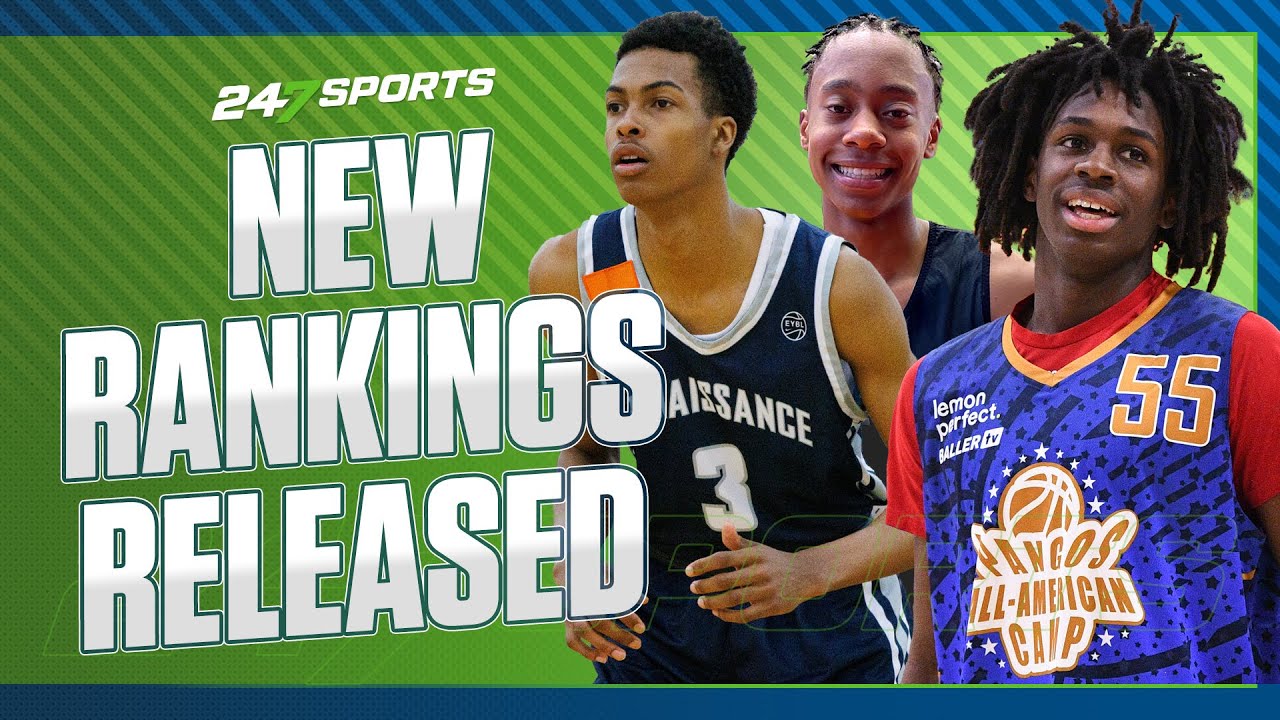
When you glance at the 247Sports basketball recruiting rankings, it is easy to view them as a static leaderboard of future NBA talent. However, the true story behind these numbers isn't just about raw skill; it is about a complex, data-driven ecosystem that balances subjective scouting with objective performance metrics. What most fans don’t realize is that these rankings are a living, breathing assessment that often reflects the "industry consensus" rather than a single scout’s opinion.
The Hidden Reality of "Ranking Inflation"
A major, rarely discussed factor in these rankings is the influence of regional bias and exposure camps. High school players who attend elite, high-visibility circuits often receive a "visibility bump" that players in under-served regions simply do not get. The 247Sports Composite—the industry-standard metric—actually blends rankings from multiple services to dilute individual bias. This means a player’s standing is as much about their consistency across different platforms as it is about their vertical leap or jump shot.
- •Section 102 Allstate Arena Explained: What They Don’t Want You To Know
- •Moore County Arrests Mugshots Explained: What They Don’t Want You To Know
- •Busted Newspaper Illinois ” The Hidden Story Nobody Told You Before
- •Shocking Truth About EåS Memberships Prices Just Dropped
- •Times Online Beaver County Times Obituaries ” The Hidden Story Nobody Told You Before
Beyond the Stars
The most intriguing part of the recruiting story is the "miss rate." Data shows that the gap between a four-star and a mid-tier three-star recruit is often marginal, usually boiling down to physical maturity rather than basketball IQ. Coaches often prioritize "fit" and "system-specific traits" over the arbitrary star rating assigned by public outlets. While fans obsess over the top ten, scouts are often scouting for the "late bloomers"—players whose physical frames haven't filled out yet but possess high-level developmental ceilings.
Ultimately, the 247 rankings serve as a foundational roadmap for college programs, but they are never the final word. The hidden story is that recruiting is a gamble on potential, and the most successful programs are those that look past the stars to find the players who fit their culture, regardless of what the rankings say.
Additional context and verified research data can be verified on Wikipedia's Public Archives.